The Art of Disappearing
In architecture, visibility is not always a measure of importance.
Some of the most carefully considered elements are designed to become almost invisible — allowing materials, surfaces and spatial relationships to remain uninterrupted.
This is the philosophy behind 22 System by Bocci.
Designed as a minimal alternative to traditional electrical systems, 22 System integrates electrical wall accessories directly into architectural finishes, allowing technology to become part of the architecture rather than an addition to it.
When Technology Meets Architecture
Electrical accessories are essential to modern life. But their visual language has traditionally been treated separately from architecture.
Switches, sockets and outlets are often placed onto finished surfaces, creating another layer between the user and the material. 22 System proposes a different relationship.
Its cylindrical devices are designed to sit flush within materials including stone, glass, millwork, tile, concrete and plasterboard. The technology remains functional. Its visual presence becomes quieter.
Material Comes First
Contemporary architecture places enormous value on materiality. A slab of stone is selected for its veining. Timber is chosen for its grain. Plaster is valued for its softness. Concrete is appreciated for its raw character.
Introducing a conventional electrical accessory can interrupt this visual continuity. 22 System is designed to work in dialogue with these surfaces rather than against them.
Its multi-material mounting plates accommodate different material types and thicknesses, while dedicated solutions allow installation within plasterboard, plaster and concrete. The result is an installation where the material remains the dominant element.
Less Visual Noise
Minimalism is often associated with reducing the number of objects within a space. But true minimalism can also be about reducing visual interruption. When electrical devices are integrated into the architecture, walls and surfaces can maintain their continuity. A switch does not need to become a visual feature. A socket does not need to compete with the material surrounding it. The technology simply exists where it is needed.
Precision as Luxury
There is a particular sophistication in details that appear effortless.
A perfectly aligned junction. A flush surface. A transition between materials that feels uninterrupted. These results are rarely accidental. They depend on precision, planning and an understanding of how architecture is assembled.
22 System is designed around this principle, using a modular system that works with conventional electrical boxes and wiring systems while allowing devices to be configured according to different applications and materials.
The Future of the Detail
As architecture becomes increasingly focused on materiality and integration, even the smallest technical elements deserve consideration. 22 System demonstrates that technology does not have to compete with design. It can support it.
And perhaps the most sophisticated expression of this idea is not to make technology more visible, but to allow the architecture around it to speak more clearly. The best detail is sometimes the one that disappears.
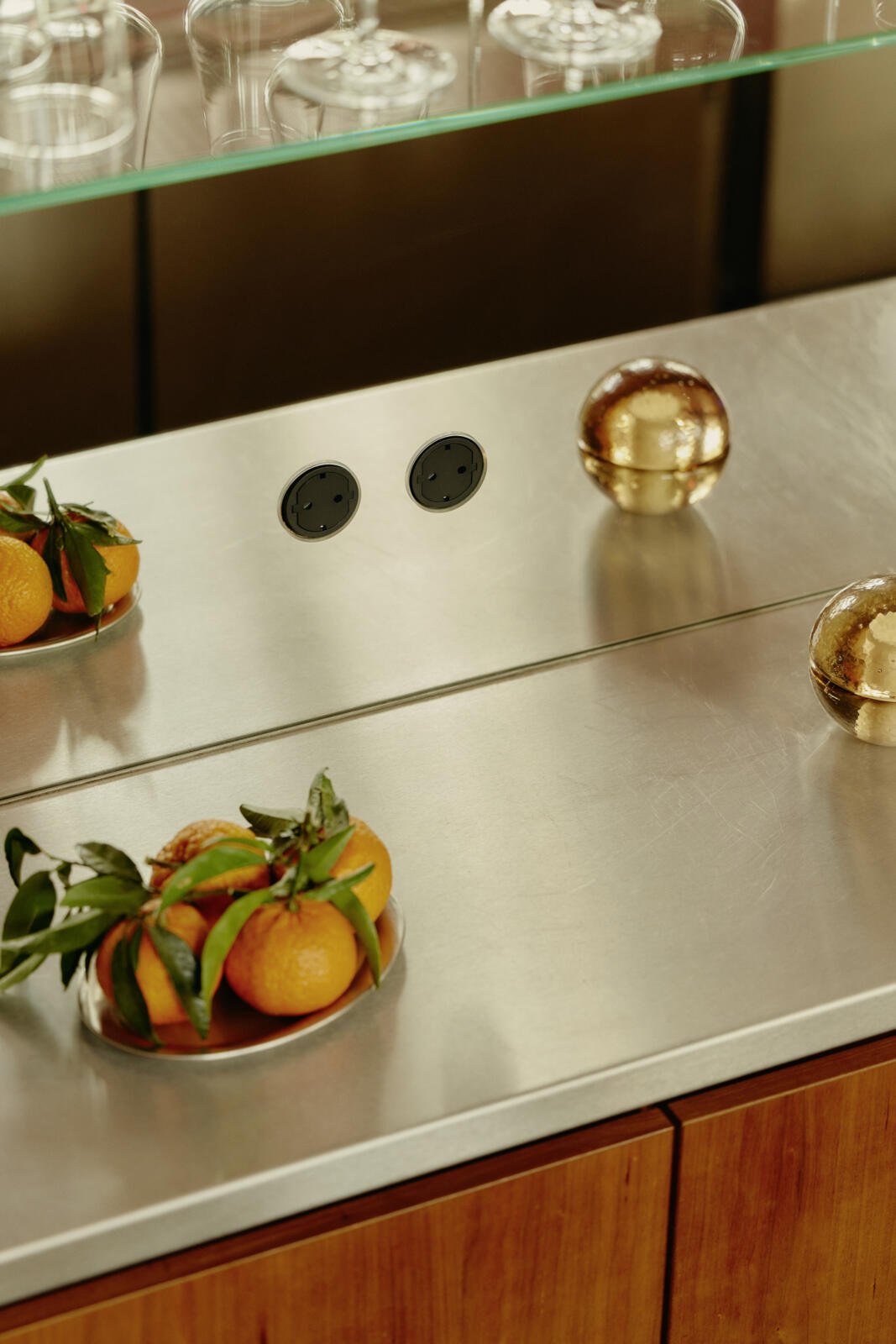
Sources & Photos: 22 System by Bocci