The Architecture Beneath the Surface
Architecture is often defined by what we see: the rhythm of a façade, the texture of a material, the geometry of a room.
But beneath every considered interior lies another layer — the infrastructure that makes the space function.
Electrical systems, outlets, data connections and controls are essential to contemporary life, yet they rarely form part of the architectural vision. Traditionally, they are added to finished surfaces, becoming visible interruptions within an otherwise carefully composed environment.
22 System by Bocci proposes a different relationship between technology and architecture.
When Infrastructure Becomes Part of the Architecture
The most successful technical elements are often those that feel as though they were designed with the building itself.
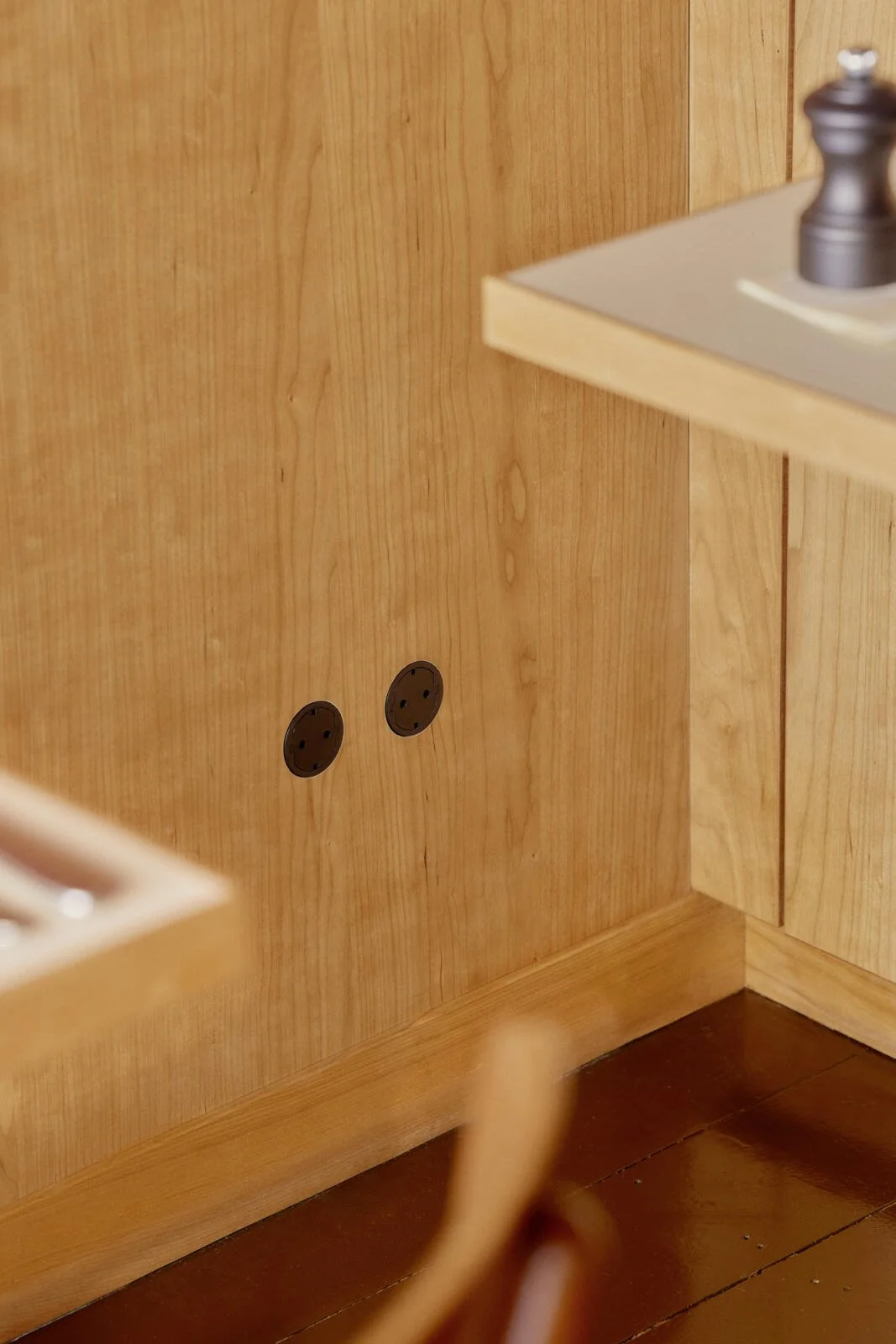
22 System is a suite of electrical and data devices designed to integrate directly with architectural finishes. Its flush-mounted system can be installed within materials including stone, glass, millwork, tile, concrete and plasterboard. Rather than placing another layer over the architecture, the system becomes part of the surface.
The distinction is subtle. The effect is not.
Designing Around Material
Contemporary architecture places an increasing emphasis on materiality. Stone is selected for its veining. Timber for its grain. Concrete for its texture. Plaster for its softness. Glass for its transparency. When every surface has been carefully considered, even a small electrical outlet can influence the visual continuity of the space.
22 System is designed to work within this material language. Its mounting plates accommodate different materials and thicknesses, allowing electrical devices to sit flush with the surrounding architecture. The technology adapts to the material. The material does not have to adapt to the technology.
The Invisible Layer
Modern interiors rely on an extraordinary amount of infrastructure. Power is required at desks, kitchens, bedrooms and living spaces. Data and connectivity are increasingly integrated into furniture and architecture. Lighting controls need to be accessible without becoming visually dominant.
The challenge is therefore not simply how to add technology. It is how to integrate it without compromising the space. 22 System approaches this through a modular system compatible with conventional electrical boxes and wiring systems, while offering solutions for different architectural applications.
This makes infrastructure less visible without making it less useful.
Precision Behind Simplicity
A seamless surface can appear effortless. But the simplicity of the finished result depends on precision.
22 System requires careful installation and is designed around specific material thicknesses and installation conditions. Its system includes dedicated solutions for rigid materials, plasterboard and cast concrete.
The apparent simplicity is therefore the result of considerable technical consideration. Good architecture often works this way. What feels effortless is rarely accidental.
Technology That Knows Its Place
There is a growing desire for interiors that feel calm, coherent and free from unnecessary visual noise. This does not mean removing technology.
It means giving it the right place within the architecture. 22 System demonstrates how electrical infrastructure can become quieter, more precise and more integrated — allowing the materials, proportions and spaces around it to remain the focus.
Because the future of architectural technology may not be about making it more visible. It may be about making it belong.
Sources & Photos: 22 System by Bocci