Pelican House: Ethical Design for Interior Projects with Identity
WHEN COLLABORATION WITH ARTISANS DEFINES THE MATERIAL AND CULTURAL VALUE OF PROJECT
In contemporary interior design, the selection of textiles, rugs, and handcrafted pieces is no longer purely aesthetic — it has become a conceptual decision that influences the identity of the entire space. Pelican House, represented in Portugal by D·Agency, stands out for combining author-driven design, artisanal production, and ethical sourcing, offering collections that add cultural depth and material richness to high-end residential and hospitality projects.
Pelican House operates as a full-service design studio with the mission of connecting designers, architects, and clients with specialised artisan communities, developing exclusive collections that merge traditional craftsmanship with contemporary design language. Each piece is the result of a collaborative process in which heritage, technical skill, and creative direction come together to produce objects with strong visual presence and narrative value.
Founded by Isabella Valenzia, an art historian with extensive experience working with textile communities in India, and with creative direction by India Holmes, the brand has built its identity around the appreciation of handmade work and transparency in the production chain. The goal is not only to produce luxury pieces, but to create meaningful design, where the artisan, the material, and the cultural context are integral parts of the final result.
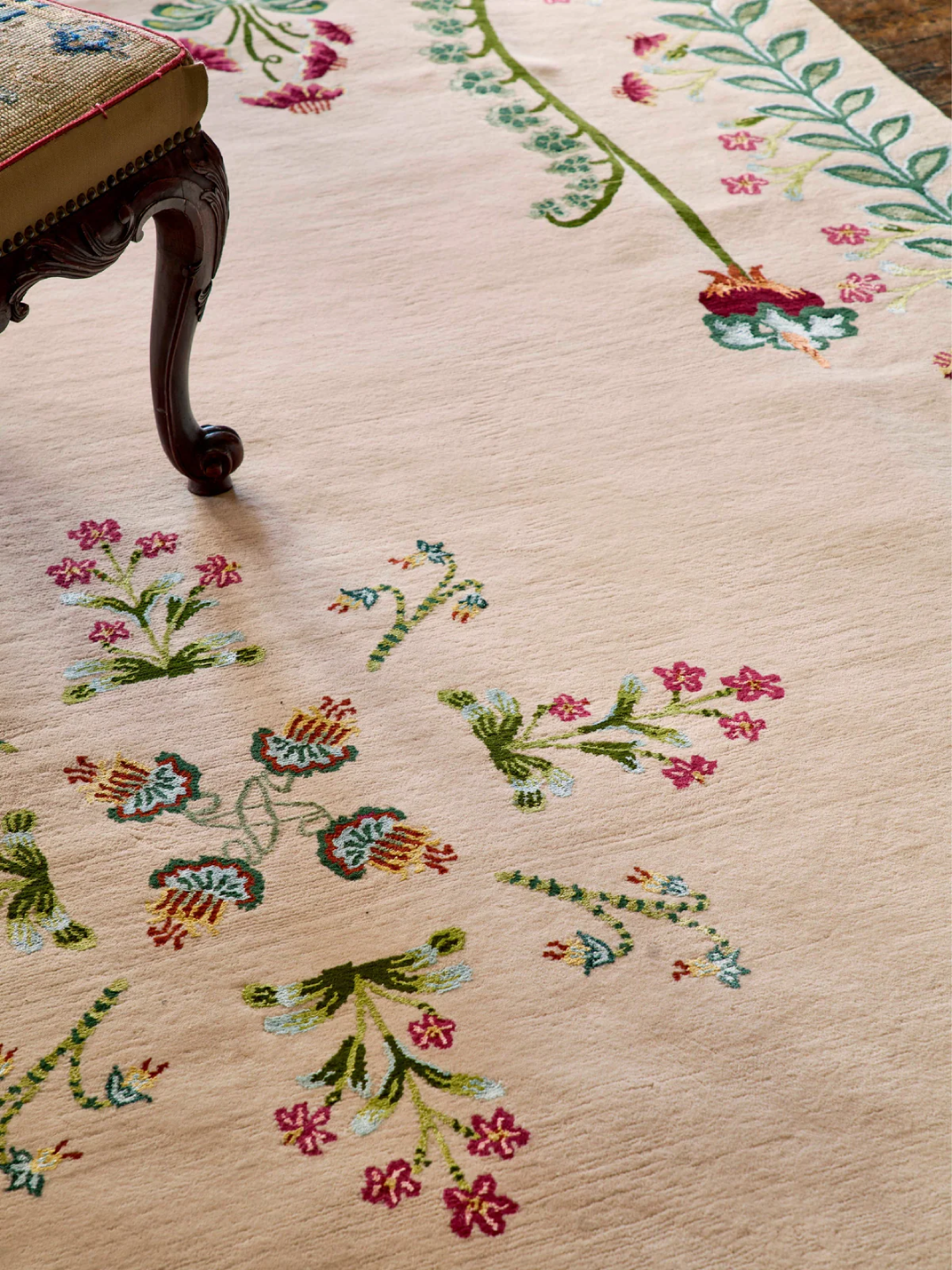
The collections include handmade rugs, wall hangings, and textile pieces developed in collaboration with artisans in India, Nepal, and Turkey, using traditional techniques such as flatweave, hand-tufting, and hand-knotting. These manual processes require time, precision, and knowledge passed down through generations, giving each piece a uniqueness that is highly valued in architecture and interior design projects seeking authenticity and distinction.
Craft materiality as a strategic element in interior design
Like the most respected brands in the high-end segment, Pelican House begins its design approach with the material itself. Natural fibres, hand weaving, and intentional colour work transform each piece into a structural element within the space rather than a decorative accessory.
Rugs and textile artworks are often developed for specific projects, allowing custom dimensions, colour palettes, and techniques. This flexibility is particularly relevant for hospitality, luxury residential, and concept-driven interiors, where design must respond to a unique context. The possibility of creating bespoke pieces reinforces the brand’s role as a creative partner for architects and designers, rather than simply a product supplier.
The visual language of the collections combines cultural references, geometric patterns, organic motifs, and expressive colour compositions, creating pieces that naturally become focal points within a room. Through this approach, textiles move from background elements to key components of the spatial narrative.
Responsible design as part of the project identity
One of the defining characteristics of Pelican House is its commitment to ethical collaboration with artisan communities. The brand acts as a creative bridge between design professionals and traditional workshops, ensuring that growth is shared fairly and that craftsmanship is preserved.
Suppliers are selected through strict criteria, prioritising workshops that maintain traditional techniques and responsible working conditions. This commitment means that each piece carries not only aesthetic value but also cultural and social significance — an increasingly important factor in contemporary projects, where the origin of materials and the impact of production influence specification decisions.
By incorporating these pieces into interior projects, designers introduce layers of meaning, texture, and history, reinforcing the sense of authenticity and exclusivity associated with premium environments.
When handcrafted textiles elevate the perception of space
In practice, the presence of a Pelican House piece changes how a space is experienced. The depth of hand weaving, the natural irregularities of the materials, and the richness of colour create a sensory quality that cannot be replicated by industrial production.
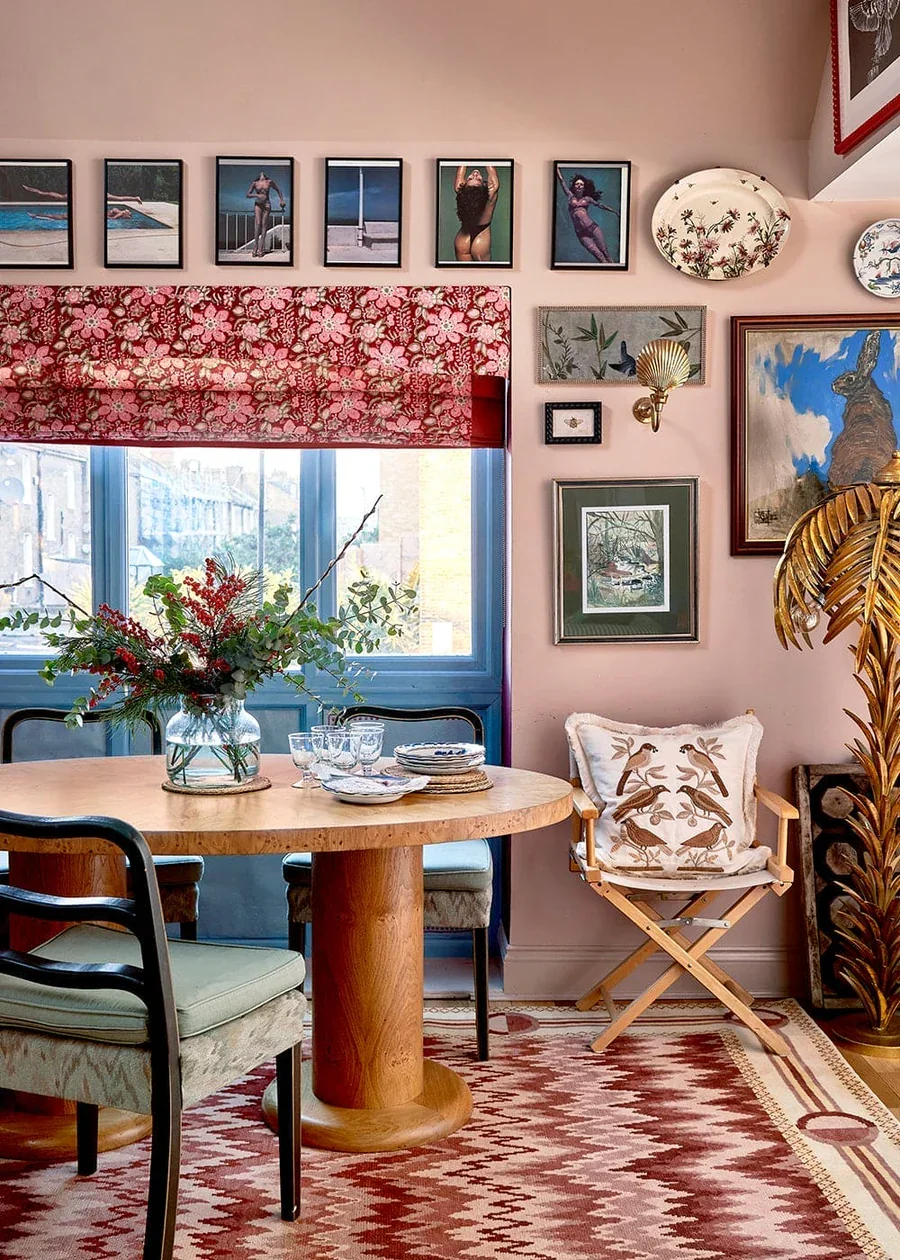
For architects and interior designers, specifying Pelican House means introducing an element with its own identity — one that can dialogue with stone, wood, metal, or glass, while strengthening the conceptual coherence of the project.
More than a decorative object, each piece becomes part of the design language itself, helping position the project at a higher level of aesthetic, technical, and cultural sophistication.
Sources & Photos: Pelican House