A beautifully designed piece of furniture can transform a room
But its real presence is rarely understood in isolation.
A chair establishes a relationship with a table. A sideboard defines a wall. A pair of armchairs creates symmetry. A single piece can become the starting point for an entire interior language.
This is where design moves beyond the object — from individual pieces to the environment they create together.
From Furniture to Composition
Furniture is often considered piece by piece. A chair is selected for its form. A table for its proportions. A cabinet for its function. Yet the character of an interior emerges from the relationship between them.
Dagmar's approach to Scandinavian Modern design provides a natural foundation for this way of thinking. With its focus on furniture from the 1930s to the 1970s, the collection brings together pieces defined by proportion, materiality and a strong sense of architectural simplicity.
The result is not simply a collection of objects. It is a vocabulary.
The Power of Repetition
There is a particular elegance in repetition.
The same material appearing across several pieces. Similar proportions establishing rhythm. A recurring curve connecting a chair to a table. Wood tones creating continuity from one area to another. Individually, these details may seem subtle. Together, they create coherence.
This is one of the reasons Scandinavian Modern furniture continues to work so naturally within contemporary interiors. Its visual language is sufficiently distinctive to create character, yet sufficiently restrained to allow different pieces to coexist. The room becomes the composition.
Scale Creates Atmosphere
An interior is experienced at more than one scale.
There is the intimacy of a chair, the presence of a dining table, the horizontal line of a sideboard and the larger rhythm created by several pieces across a room. Good composition depends on how these scales interact.
A single statement piece can provide a focal point. Several quieter pieces can establish balance. The relationship between empty space and furniture can be just as important as the furniture itself. Dagmar's pieces invite this kind of considered placement. They are designed not simply to occupy space, but to participate in it.
From Collection to Interior
The idea of a collection becomes particularly powerful when applied to an entire project.
A living room, dining space, study or bedroom can develop its own visual language through a carefully selected group of pieces.
Different objects can perform different functions while still belonging to the same aesthetic conversation. This allows designers to move away from the idea of the isolated statement piece and towards something more architectural: an interior where every object contributes to the whole.
The result is quieter. And often, more personal.
The Interior as a Living Composition
The most successful spaces do not feel assembled all at once. They feel as though they have developed over time.
Furniture creates zones. Objects establish rhythm. Materials connect one area to another. Empty space gives everything room to breathe. This is the transition from object to environment.
Dagmar's role within a project is therefore not simply to provide individual pieces of furniture. Its collection can become part of the larger architectural language of a space — helping to define how it is used, experienced and remembered.
Because the ultimate value of a beautiful object may not be what it looks like on its own. It is what happens when it becomes part of somewhere.
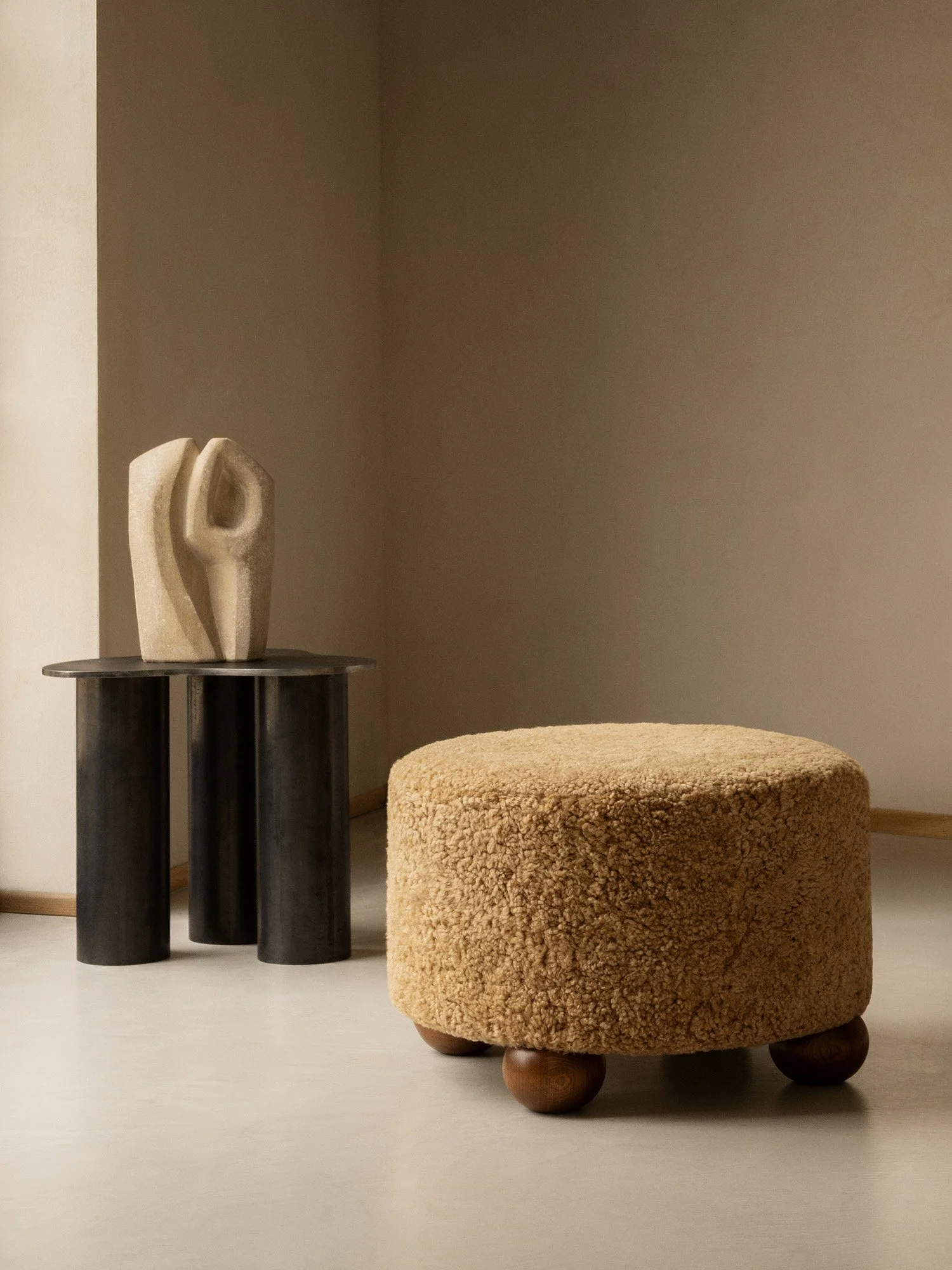
Credits: Dagmar