Dagmar — A Study in Scandinavian Minimalism and Enduring Design
In a design landscape often shaped by fast cycles and decorative excess, Dagmar occupies a more restrained and deliberate position. Rooted in Scandinavian design heritage, the brand develops furniture that privileges clarity, material honesty, and longevity—treating each piece less as an isolated object and more as part of a cohesive design language.
Dagmar’s work is best understood not as individual products, but as a curated system of living: a disciplined approach to form, function, and atmosphere where every detail contributes to a wider sense of continuity.
The Home as a Curated Collection
Rather than presenting furniture as standalone statements, Dagmar constructs interiors as carefully considered compositions. Seating, tables, and storage pieces are designed to relate to one another through proportion, tone, and material rhythm.
This approach reflects a distinctly Nordic sensibility: an emphasis on restraint, spatial harmony, and the belief that domestic environments should feel intentional rather than assembled. In Dagmar’s world, a room reads less like a showroom and more like a quiet curation of essential forms.
Craftsmanship and Material Integrity
At the centre of Dagmar’s philosophy is a commitment to craftsmanship shaped by tradition and precision. Drawing from Scandinavian cabinetmaking and restoration knowledge, the brand prioritises techniques that ensure structural clarity and long-term durability.
Materials are selected for their performance over time—hardwoods, textiles, and finishes chosen not only for their immediate appearance but for how they age, develop patina, and maintain integrity through use. Construction is deliberately honest: joints, forms, and finishes are designed to support function without unnecessary ornamentation.
An Aesthetic of Restraint
Dagmar’s visual identity is defined by reduction rather than accumulation. Forms are pared back to their essential geometry, allowing proportion and materiality to carry expression. Instead of decorative complexity, the brand works through subtle variation—soft curves set against linear frames, tactile contrast between surfaces, and carefully controlled silhouettes.
This restrained approach creates a quiet visual coherence. Each piece belongs to a broader system where nothing is overly dominant, and where design decisions are felt more than immediately declared.
The Luxury of Permanence
In contrast to trend-driven interiors, Dagmar frames luxury as longevity. Its pieces are designed to endure both physically and aesthetically, resisting obsolescence through timeless proportion and material resilience.
This philosophy extends beyond durability alone. It is about emotional continuity—furniture that becomes part of lived experience over time, accumulating presence through use rather than losing relevance. In this sense, permanence becomes a form of understated luxury.
Between Heritage and Contemporary Living
While deeply informed by Scandinavian design traditions from the 20th century, Dagmar avoids replication. Instead, it reinterprets these principles for contemporary life, balancing historical awareness with modern production standards and everyday functionality.
The result is furniture that feels grounded yet current—anchored in design history but not bound by it. Dagmar operates in the space between past and present, translating heritage into a usable, living context.
A Design Language of Quiet Continuity
Ultimately, Dagmar positions the home as a cultural space shaped by intention, material care, and restraint. Its furniture does not seek attention through excess, but through coherence—forming environments that feel calm, structured, and enduring.
In doing so, the brand articulates a clear proposition: that the most meaningful interiors are not the most expressive or decorative, but those built on continuity, proportion, and the quiet intelligence of well-made things.
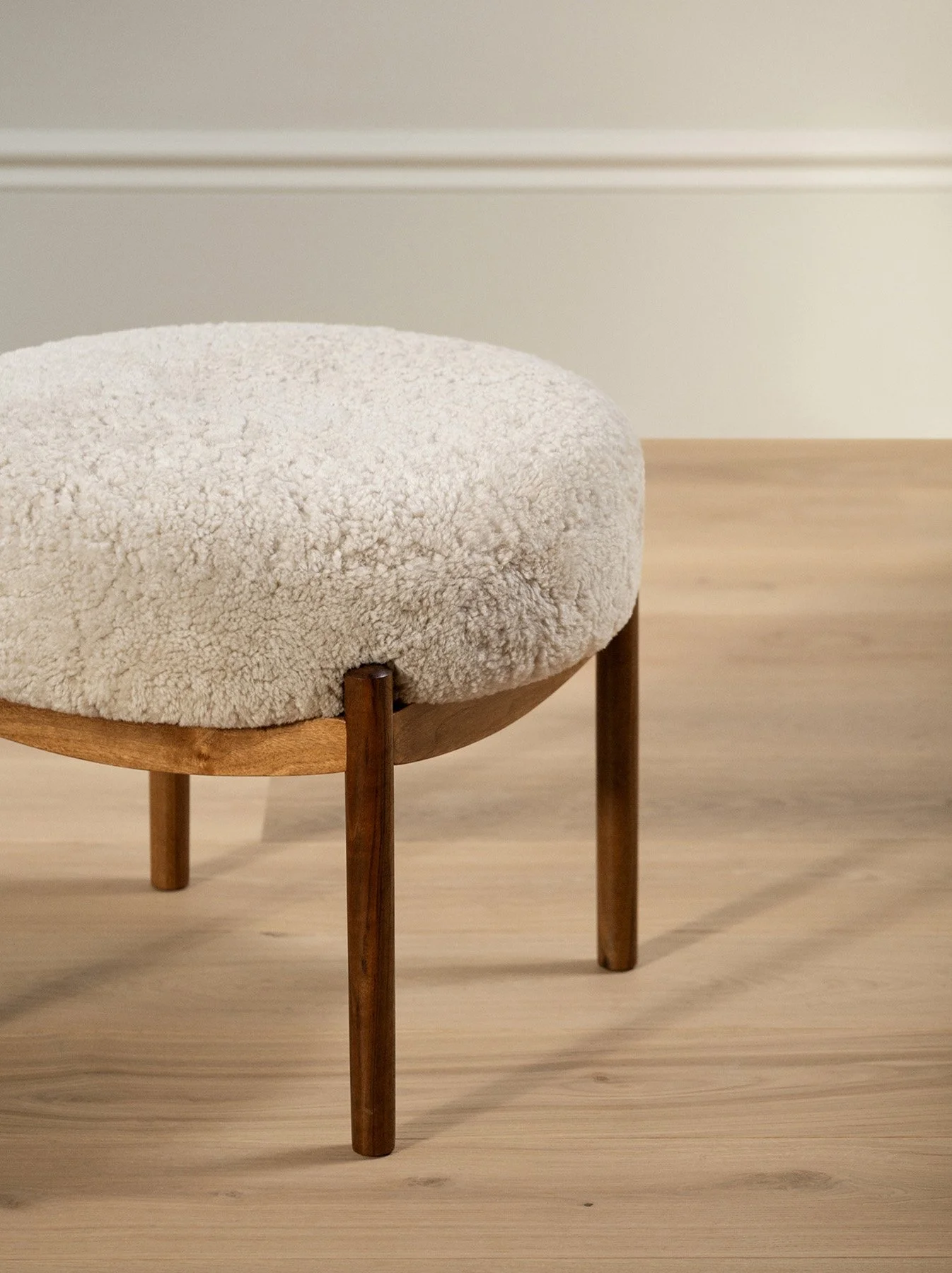
Credits: Dagmar